Medicine - Health
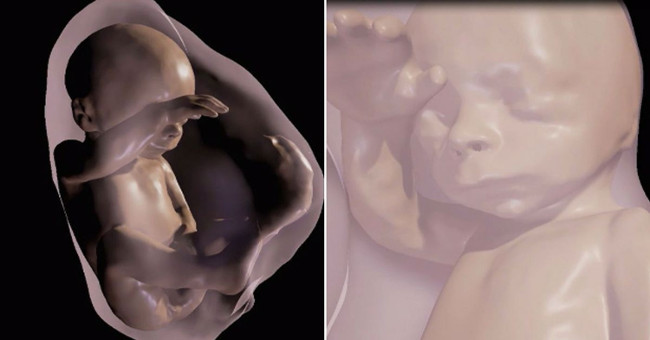
For the first time parents can meet the fetus through 3D virtual reality
With this technology, you can see the fetus image in 3D virtual reality space.
Browse ScienceInfo articles and explainers related to 3D Printing Technology.
138 published items.
With this technology, you can see the fetus image in 3D virtual reality space.
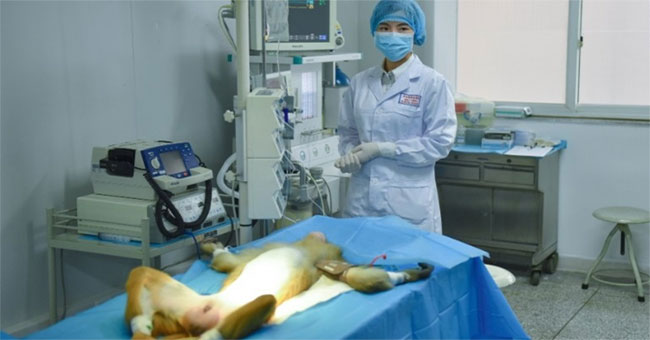
The breakthrough development of 3D printing technology in medicine can bring hope to nearly 1.8 billion heart patients.

As predicted by Melanie Walker, thanks to advances in medicine as well as technology to monitor health and nanotechnology, we will soon enter the world without the hospi…

The tablet is printed according to 3D technology that dissolves almost immediately when released into the water so it is suitable for patients with dysphagia.
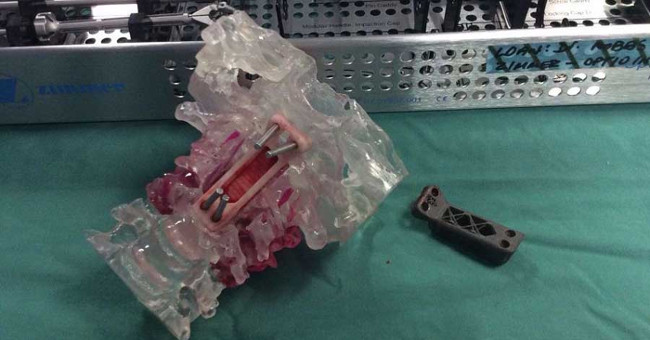
Although we have not been able to popularize 3D printers at home yet, in medicine, this tool has become extremely useful.
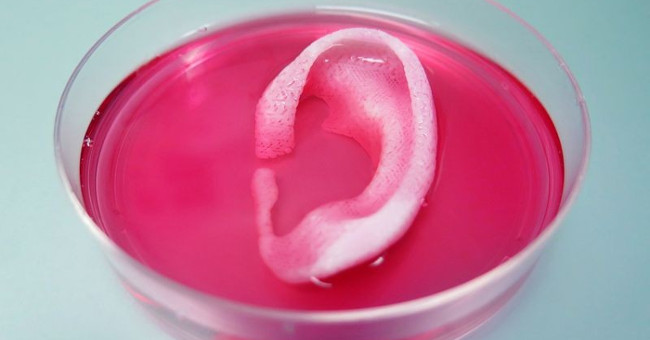
Experts have recently succeeded in printing an ear
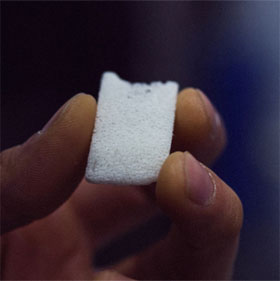
American company EpiBone succeeded in creating bone from human cells, opening a revolution in medicine.

The US Food and Drug Administration (FDA) on August 4 said it has granted the first license for a drug manufactured with 3D printing technology for the treatment of epil…
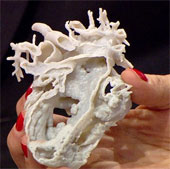
Doctors in the UK create 3D copies that simulate the defective heart of a two-year-old girl to find a solution before surgery to save her life.
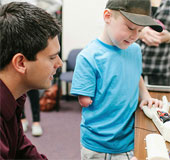
The 6-year-old Alex Pring, who lives in Florida, USA, has just undergone a surgery to assemble the prosthetic parts that follow 3D printing technology, according to Reut…
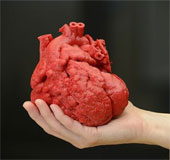
The heart model made with 3D printing has saved the life of a 14-month-old boy in a heart surgery.
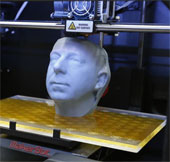
3D printing technology allows nearly every reproduction of three-dimensional shapes from computer data and is considered to have great potential for use in the medical f…
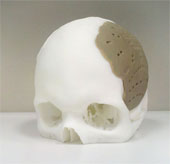
3D printing technology is no stranger to us, but applying this technology to Medicine is still quite a new thing.

The study was co-chaired by neuroscientists Keith Martin and Barbara Lorber of Cambridge University.

The project aims to build miniature human organ systems to consider how they respond to harmful agents during the experiment, while developing potential treatments.